Indie survival-roguelike built for short, chaotic runs
Muck, developed by Dani, is a fast-paced survival-roguelike that challenges players to escape a hostile island. The game mixes daytime exploration and resource gathering with rapid combat against escalating nighttime waves and bosses, creating a tight session loop. It highlights procedural maps, a tiered crafting tree, chest-based roguelike buffs, and base defense mechanics. The title targets players who enjoy high-difficulty survival runs and quick cooperative or solo sessions, and fans of the developer's YouTube projects.
What kind of game is it?
The game began as a community dare and keeps that experimental spirit in its core loop: explore, gather materials, craft equipment, and attempt to escape. Player motivation centers on repairing a shipwrecked boat and defeating the final dragon named Bob. A day-night cadence changes what you do, with daytime preparation giving way to concentrated combat when waves and boss encounters arrive.
Does it support multiplayer and group tactics?
Yes, the title supports cooperative and PvP play for up to eight players, which alters both risk and reward. Group sessions let players divide roles between gatherers, builders, and fighters. Equipment progression spans multiple material tiers; notable examples include Wood, Iron, Mithril, Adamantite, and Obamium. Base construction matters because nightly raids place pressure on defensive layouts and shared resources.
Is the challenge approachable or punishing?
The difficulty skews toward high challenge, a design point reflected in the game's reputation for a steep learning curve. Progression runs on single-session roguelike rules, with chests granting temporary buffs and bosses such as Big Chunk and Gronk testing preparedness. Players should expect runs to end without mid-run saving, which frames each session as a self-contained risk-reward trial rather than a long campaign.
What does the presentation and performance feel like?
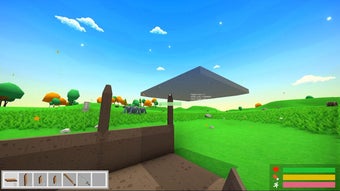
The aesthetic leans into a compact, indie look with deliberately rough physics and a "scuffed" charm rather than visual polish. Audio cues are functional, supporting combat and night alerts without heavy production trimmings. The game targets accessible hardware; minimum specs list a dual-core 2.00GHz CPU, 2 GB RAM, and Intel HD 520 graphics, so lower-end PCs can run short sessions comfortably.
Recommended for players seeking bite-sized but demanding survival runs
This title is a lively choice for players who enjoy short, repeatable survival sessions with friends or solo, especially those who like high-stakes mechanics and emergent chaos. Expect a compact, replay-focused experience that rewards learning through repetition. Players who prefer long-term saves or highly polished presentation should consider that the game embraces an indie, session-centered design and rough-around-the-edges physics.